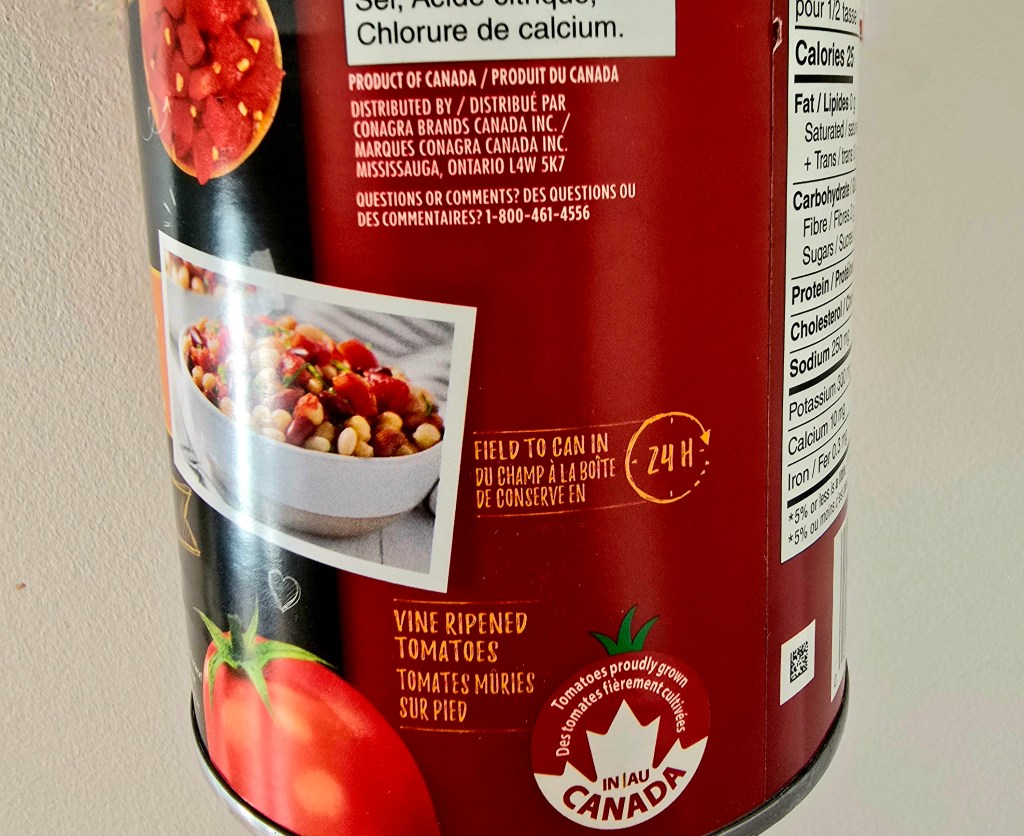
In an era where conscious consumerism intersects with national pride, understanding food labels has never been more critical for Canadians committed to supporting local economies. With 88% of Canadians expressing a desire to prioritize domestic products amid recent trade tensions, yet many struggling to identify authentic Canadian goods, this guide empowers readers to navigate labels with confidence, aligning perfectly with Maple Trails & Tales’ mission to celebrate Canadian values and communities.
The Importance of Buying Canadian
Every purchase decision ripples through local economies. When you buy Canadian, you’re not just acquiring a product, you’re supporting family farms like the Dycks’ 4D Farms in Manitoba, who reinvest in solar-powered barns and sustainable practices. You’re bolstering businesses like Newfoundland Chocolate Company, which sources wild partridgeberries from provincial forests while donating to coastal conservation. Yet misleading labels often obscure these connections. Health Canada reports that 42% of consumers accidentally buy imported products marketed as “Canadian,” underscoring the need for label literacy.
Decoding Canadian Label Claims
1. Product of Canada
The gold standard, requiring 98% Canadian content by weight. Look for this on items like:
- Lantic Sugar Alberta-grown sugar beets, ensuring a high level of Canadian content.
- Bothwell Cheese produced in Manitoba using dairy from 100% Canadian cows
Still check the labels: Some products exploit loopholes. A “Product of Canada” maple syrup blend might contain 2% imported vanilla. It is always a good idea to check ingredient lists if you are still unsure.

2. Made in Canada
Currently requires 51% Canadian content, but proposed changes may raise this to 85% following advocacy by the Retail Council of Canada. This label applies to:
- Chapman’s Ice Cream While they use 100% Canadian dairy, some ingredients like cocoa might be imported.
- Cedar’s Hummus Although they use 90% Canadian chickpeas, some ingredients might be imported. The key here is that processing the chickpeas into hummus, occurs in Canada.
Key distinction: The “last substantial transformation” must occur domestically. A “Made in Canada” chocolate bar could use Belgian cocoa but be molded in Quebec. The “Made in Canada” label emphasizes the final transformation occurring in Canada, allowing for some imported components while still supporting domestic manufacturing.
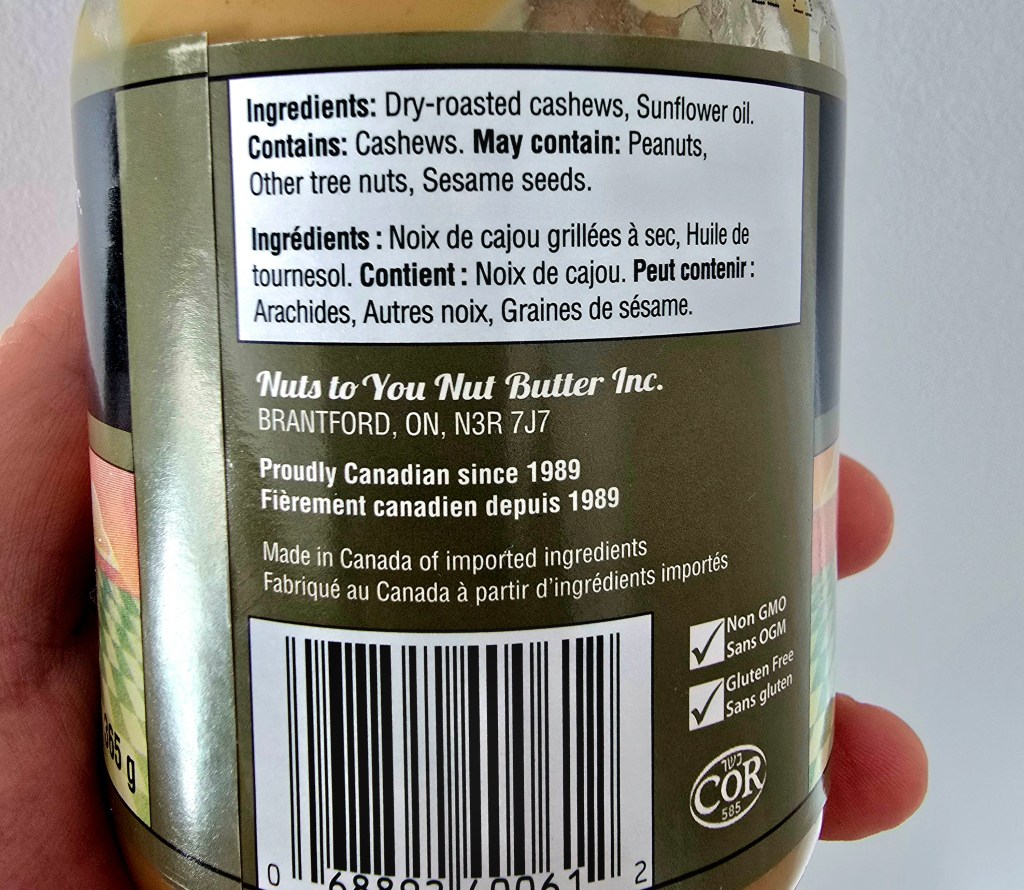
Ingredient List Forensics
Order of Ingrediants Matters
Ingredients appear in descending order by weight:
- Speerville Flour Mill’s whole wheat bread lists “Canadian hard red spring wheat” first.
- A deceptive “Canadian-style” pancake mix might list “wheat flour (imported)” as the primary ingredient
Sugar Sleuthing
New 2023 regulations group all sugars (honey, cane sugar, etc.) under “Sugars/Sucres” in ingredients:
- Redpath Sugar explicitly states “Canadian-grown sugar beets”
- Imported “organic agave syrup” must be listed separately
Tools for the Canadian Shopper
1. Mobile Apps
- Buy Canadian: Scans barcodes to verify domestic content
- Food Hero: Identifies Canadian alternatives in real-time
2. Certifications
- Canada Organic (requires 95% Canadian ingredients)
- VQA Vintners Quality Alliance (100% BC or Ontario wines)
3. Cross-reference labels with seasonal guides:
- Ontario Greenhouse Vegetable Growers’ harvest calendar
- Fisheries and Oceans Canada’s sustainable seafood list
Nutrition Facts Table Updates
The redesigned table (mandatory since December 2023) aids Canadian-conscious shopping:
- Serving Sizes now reflect typical Canadian portions (e.g., 85g yogurt vs. old 100g)3
- Sugar % Daily Value helps spot overly imported sweeteners:
- 5% DV or less = low (ideal for Canadian maple syrup)
- 15% DV or more = high (common in imported soda)
- Potassium Emphasis supports Canada’s push for homegrown produce like BC spot prawns and PEI potatoes
Conclusion: Your Cart, Your Canada
Reading labels isn’t just about ingredients—it’s about writing Canada’s economic future. As you stroll grocery aisles, remember:
- Prioritize “Product of Canada” for maximum local impact
- Scrutinize “Made in Canada” labels under proposed 85% rules
- Embrace seasonality with crops like Ontario asparagus (May-June) or BC cherries (July-August)



 Maple Trails & Tales
Leave a comment