
Canada’s culinary scene is a vibrant tapestry of Indigenous traditions, immigrant influences, and hyper-local innovation. But beyond the plate, every bite you take can fuel small farms, Indigenous-owned businesses, and regional food systems threatened by globalization. This isn’t just a food guide—it’s a call to adventure, pairing iconic dishes with under-the-radar experiences that keep your dollars in Canadian pockets. From oyster shacks in Nova Scotia to caribou stew in the Yukon, let’s explore how your cravings can empower communities.
Atlantic Canada: Ocean Bounty & Coastal Comforts
Defined by rugged coastlines and tight-knit fishing villages, Atlantic Canada’s cuisine thrives on seafood, potatoes, and Irish/Scottish heritage. Eating here means supporting fishers battling climate change and corporate monopolies.
Must-Try Experiences
PEI Potato Pie Trail
Where: The Table Café (New London, PEI) Keep in mind, they re-open on May 2025 and are temporarily closed till then.
What: A culinary experience serving dishes that include fresh Island seafood, artisanal butchery, foraged foods, and hyper-local produce,
Why Unique: The Table is proud to offer the Island’s only all-Canadian beverage menu and an all-Canadian wine flight that is perfectly paired to complement your culinary experience. They offer a new seven-course menu each week and revealed to you only when you arrive truly creating a unique experience along with local delights.
Dinner and Stunning Views
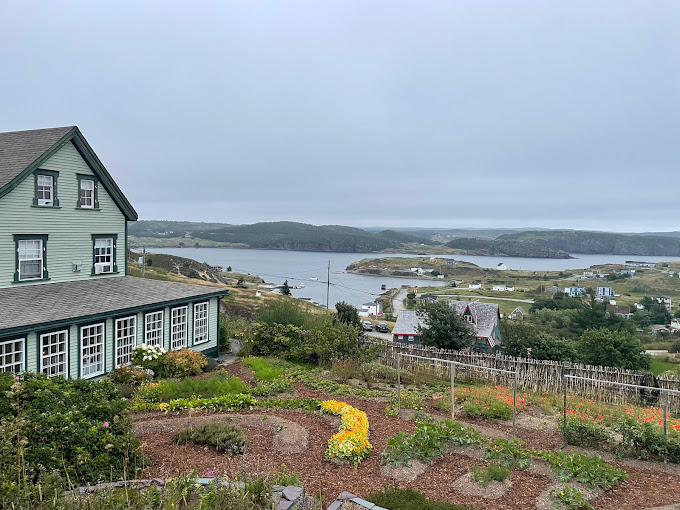
The Fisher’s Loft Inn (Port Rexton, NL)
What: A multi-course feast with sorrel soup, cod with roasted leeks, and lemon mousse with wild berry compote.
Why Unique: Ingredients come from their on-site garden and In season, diners may see whales or icebergs
Why It Matters:
- PEI’s potato farms contribute $1.3B annually to Canada’s economy, but 80% of exports are controlled by 3 corporations. Eating local diversifies markets.
- Petty Harbour Fishermen’s Co-op ensures 100% of seafood profits stay in NL.
Quebec: Poutine, Maple, and French-Canadian Classics
Quebec’s food scene is a hearty blend of French-Canadian comfort and terroir. Think crispy fries smothered in cheese curds, maple-infused everything, and farm-fresh dairy. Eating here isn’t just indulgent, it’s a nod to the province’s working-class roots and its fight to keep small farms and fromageries alive.
Must-Try Experiences
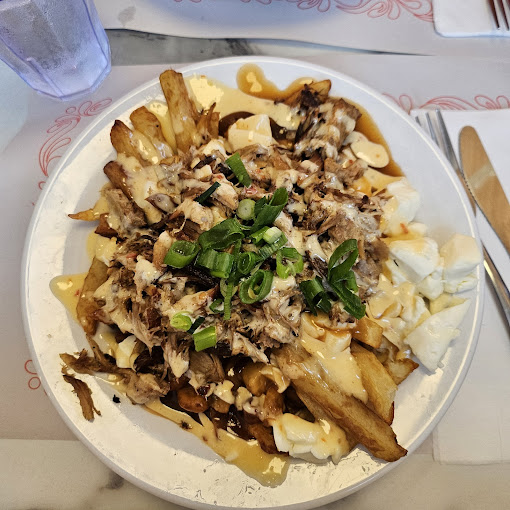
Poutine Pilgrimage at La Banquise (Montreal, QC)
What: A 24/7 local fast food institution serving 30+ types of poutine. Go classic with La Classique (fries, squeaky curds, beef gravy) or try something more daring such as La T-Rex (ground beef, pepperoni, bacon and hot dog sausage) or Reggae (Ground beef, guacamole, tomatoes and hot peppers).
Why Unique: Uses cheese curds from Fromagerie Victoria (Quebec’s oldest cheesemaker, est. 1929).
Birthplace of Poutine at Le Roy Jucep (Drummondville, QC)
What: Claimed inventor of poutine in the 1950s. Order the original: fries, curds, and sauce brune.
Why Unique: The restaurant’s retro diner vibe feels like a mini poutine museum.
Maple Sugar Shack Feast
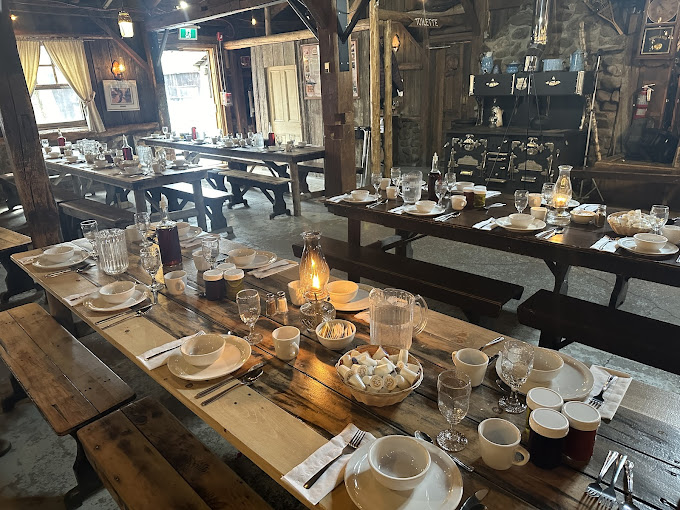
Where: Sucrerie de la Montagne (Rigaud, QC)
What: All-you-can-eat maple-glazed ham, Meat pie from Québec’s Beauce region, baked beans, and tire sur neige (maple taffy poured on snow).
Why Unique: Syrup comes from 2,000 on-site taps, bypassing corporate maple monopolies.
Why It Matters:
- Quebec produces 72% of the world’s maple syrup, but small “acériculteurs” (syrup producers) earn 30% less than big players. Buying direct boosts their cut.
- Fromagerie Victoria employs 120 locals and sources milk from 45 Quebec dairy farms.
- Poutine’s global fame often sidelines Quebec’s makers, eating at spots like Le Roy Jucep keeps profits (and bragging rights!) local.
- Quebec supplies 30% of Canada’s cheese curds. Every poutine order supports 200+ small dairy farms.
- The syrup industry employs 12,000+ Quebecers, many in rural towns.
Prairies: Farm-to-Table & Indigenous Resilience
A mix of Ukrainian, Métis, and settler traditions, the Prairies feed Canada, but face droughts and corporate land grabs. Eating here supports regenerative farming and Indigenous landback.
Must-Try Experiences
Craft Distillery and Tasty bites
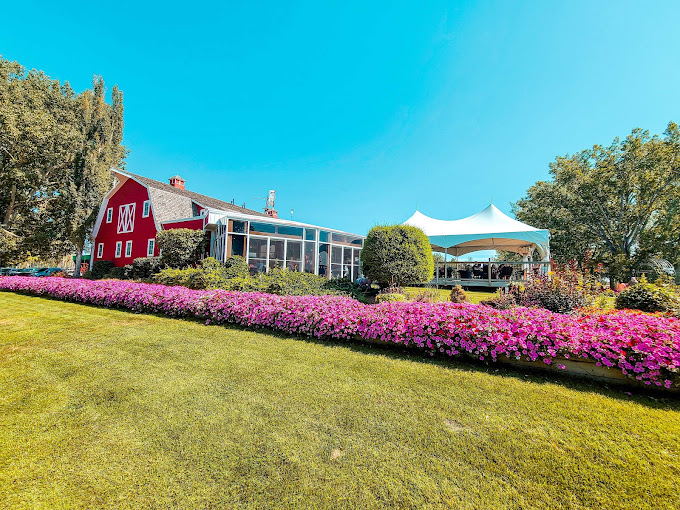
Where: Eau Claire Distillery (Turner Valley, AB)
What: Sip award-winning Parliament Whisky paired with delicious Albertan cuisine or go on the Eau Claire Distillery experience which includes a tour and tastings.
Why Unique: Their Three Point Vodka uses Alberta winter wheat, supporting 12 local farms.
Saskatoon Berry U-Pick, Greenhouse & Bakery
Where: The Berry Barn (Saskatoon, SK)
What: Pick berries, then enjoy pies or ice cream made with local ingredients. Also features a shop with a line of Saskatoon Berry gifts, souvenirs, jams, jellies, and toppings made in their kitchen.
Why Unique: Sales fund Prairie Food Forests, planting berry bushes in food-insecure neighborhoods.
Métis Kitchen Party at Feast Café Bistro (Winnipeg, MB)
What: A cozy spot serving Homestyle Bison Chili with local MB grass fed Bison and seasonal beans. Also try the Manitoba Pickerel Sliders with seared lemon pepper pickerel on traditional bannock.
Why Unique: Métis-owned and sources ingredients from Fisher River Cree Nation and Manitoba Wild Harvesters Co-op.
Why It Matters
- The bison industry generates $240M annually and employs 1,200+ rural workers.
- The Berry Barn funds agroforestry grants for Prairie schools, planting 5,000+ berry bushes yearly.
- Eau Claire Distillery sources 90% of ingredients from Alberta, supporting small grain farmers.
West Coast Bites: Casual Eats & Community Impact
British Columbia’s food scene is all about fresh, accessible, and community-driven eats. Fish shacks, farmers’ markets, and Indigenous-owned spots where every dollar supports coastal jobs and sustainable seafood.
Must-Try Experiences
Fried Fish Directly on the Coast
Go Fish Ocean Emporium (Vancouver, BC)
What: A harborside shack serving Classic Fish and Chips and Baja Fish Tacos. A popular seafood shack takeaway joint offering simple menu of sustainable seafood.
Why Unique: Partners with Ocean Wise for sustainable seafood. Their salmon comes from Heiltsuk First Nation fishers in Bella Bella.

Explore the local shops on the coast
Where: Granville Island Public Market (Vancouver, BC)
What: A bustling hub with 50+ vendors. Must-tries:
Lee’s Donuts: BC’s oldest doughnut shop (since 1979).
Oyama Sausage Co.: Smoked salmon sausages from Haida Gwaii.
Benton Brothers Fine Cheese: Features cheeses from Salt Spring Island Cheese Company and Farm House Natural Cheeses.
Why Unique: Over 30% of vendors are Indigenous or immigrant-owned.
Island Baked Goods
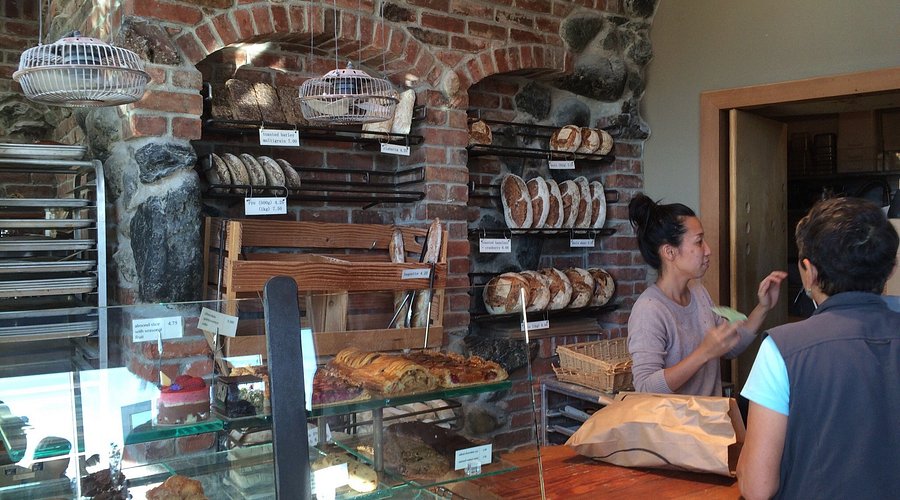
Fol Epi Bakery (Victoria, BC)
What: A rustic bakery crafting sourdough with BC-grown Red Fife wheat. Featuring faveorites such as Ham and Cheese croissant made with cured rosemarry ham and aged white cheddar.
Why Unique: Working with small scale local producers and providing workers with meaningful employment, Fol Epi is an intentional outpost for a community driven and honest food culture in Victoria. Their “Community Grain Project” supports small BC wheat farms.
Why it Matters
- Go Fish pays fishers 20% above market rates, sustaining coastal jobs.
- Granville Island Market circulates $15M+ annually to BC farmers and artisans.
- Fol Epi’s grain program supports 12 BC wheat farms transitioning to organic practices.
Ready to eat your way across Canada?
From PEI’s potato fields to BC’s bustling fish shacks, Canada’s culinary landscape is a vibrant tapestry of local flavors, Indigenous traditions, and community resilience. Every bite you take, whether it’s poutine in Quebec, bison sliders in Alberta, or wild salmon tacos in Vancouver, has the power to uplift small farmers, sustain coastal fishers, and preserve cultural heritage. By choosing Canadian-owned eateries, farmers’ markets, and Indigenous-led experiences, you’re not just enjoying a meal. You’re fueling jobs, reducing carbon footprints, and safeguarding traditions for future generations.
As spring breathes new life into Canada’s trails and towns, let’s make this the season of mindful exploration. Skip the chains, seek the stories, and turn your cravings into a force for good. After all, the best way to love Canada is to taste it, one local bite at a time.
References
Canadian Agri-Food Trade Alliance. (2023). Economic Impact of Local Food Systems. https://cafta.org
Indigenous Tourism BC. (2023). Culinary Tourism Report. https://www.indigenousbc.com
Ocean Wise. (2024). Sustainable Seafood Program. https://ocean.org
Parks Canada. (2023). Visitor Spending Impact Report. https://www.pc.gc.ca
Restaurants Canada. (2023). Industry Outlook. https://www.restaurantscanada.org


 Maple Trails & Tales
Leave a comment